
TLDR
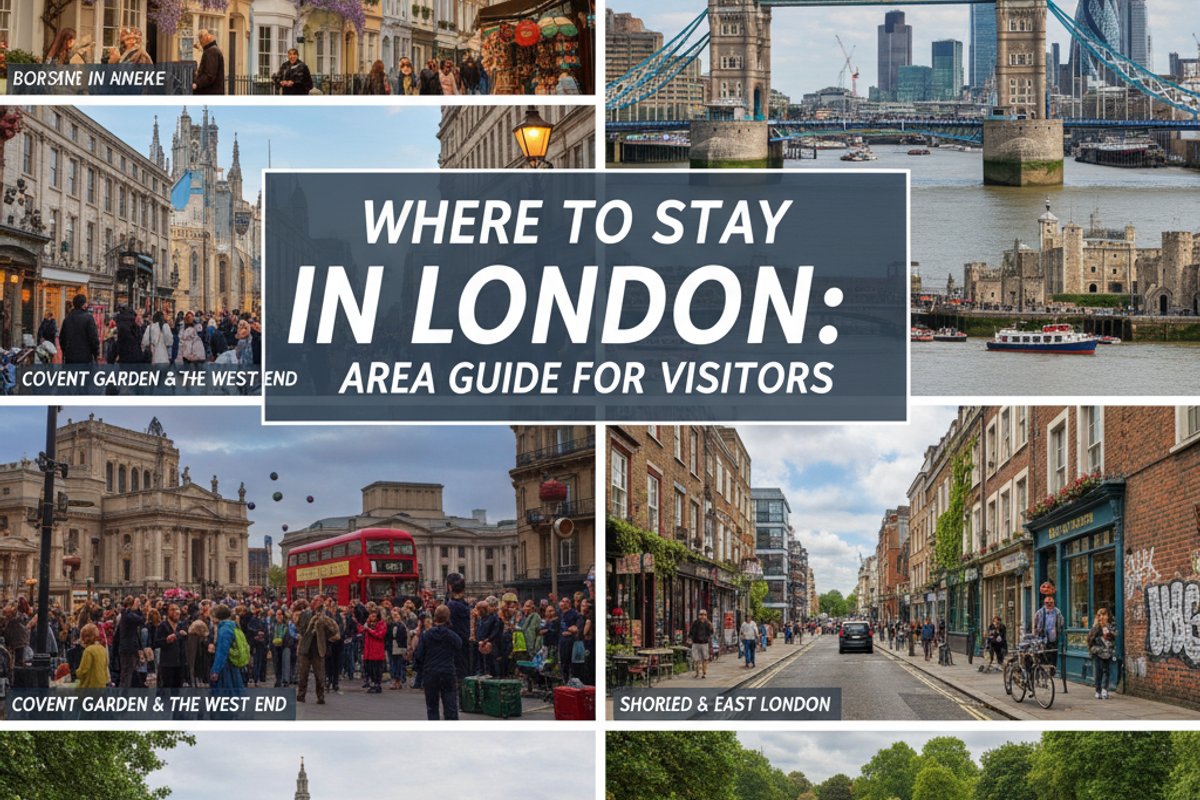
Choosing where to stay in London comes down to what matters most: proximity to attractions, local atmosphere, or value for money. London ticks most boxes. It’s central, well-connected, and has a genuine local feel. This guide covers the main areas and what each one offers.
Insider Tip
London is our pick for first-time visitors. Europa House Hotel sits right in the middle of it.
Planning your stay? Check current rates at Europa House Hotel, a convenient base for exploring London.
What to Look for in Accommodation
Location beats luxury every time. A well-located 3-star hotel saves you more in transport and time than a fancy hotel in the wrong area. Check: walking distance to main sights, nearby restaurants, and transport links.
Paddington and Tyburnia (W2): Quiet, Central, Practical
This is where Europa House sits, so full disclosure, but the honest case for Paddington goes like this. You get Zone 1 central London at prices 20-30% lower than Covent Garden or Kensington. You walk to Hyde Park in five minutes. You’re at Paddington station in three, which means Heathrow is 15 minutes on the Elizabeth Line and the West Country trains to Bath, Bristol and Oxford all leave from your doorstep. The streets are residential and quiet by 10pm (no stag parties, no shouting at 2am). Sussex Gardens itself is a row of small Victorian terraces, mostly hotels and B&Bs, that has quietly served London visitors for 150 years.
The area known as Tyburnia (the bit between Edgware Road, Sussex Gardens and Bayswater Road) is where Connaught Square sits (quiet garden square, Tony Blair’s old house on the corner) along with a run of decent pubs and independent cafes. Edgware Road is a two-minute walk east and has some of the best Lebanese food in Europe; Maroush, Ranoush Juice and Beirut Express all do mezze plates for £20-25 that two people can share. Church Street market on Saturdays and Connaught Village feel like small pockets of old London. Budget hotels here run £80-130 a night, with B&Bs at £90-160, both considerably cheaper than comparable central areas. More context in our London neighbourhood guide.
Who it suits: first-time visitors who want to be central without the crush, families with kids (Hyde Park and the museum cluster are close), business travellers flying in via Heathrow, and anyone doing day trips out of Paddington. Who it doesn’t: nightlife seekers (Paddington pubs close at 11pm; the club crowd wants Shoreditch or Soho), and people prioritising boutique high-design stays (try Shoreditch or Marylebone for that). Transport links are strong: Bakerloo, Circle, District, Hammersmith & City and Elizabeth lines all converge at Paddington. For a full breakdown of getting around, our London transport guide spells it out. Live status at TfL.
The Central Alternatives: Covent Garden, Kensington, Bloomsbury, Victoria
Covent Garden (WC2) is the busiest central pick, within walking distance of the West End theatres, Trafalgar Square, Soho and the river. Mid-range hotels here run £180-280 a night, rising to £300+ in peak summer. It’s convenient but constantly loud, and the streets are still full of tourists at 11pm. Bloomsbury (WC1) sits ten minutes north, quieter, home to UCL and the British Museum, with mid-range places at £140-220, a better deal for museum and theatre visitors who want to sleep easily. South Kensington (SW7) is leafy and posh, walkable to the Natural History and V&A museums, and runs £150-250 mid-range. Kensington proper (SW7) goes higher, £200-350 for 4-star. The museum cluster is the draw.
Victoria (SW1) is the transport hub: Victoria Coach Station, Victoria rail station, and three Tube lines meet here, which makes it useful if you’re doing a multi-city UK trip. Prices land £130-220 mid-range, and you can walk to Buckingham Palace in ten minutes and Westminster in fifteen. Notting Hill (W11) west of Paddington has a village feel, with pastel houses, the Saturday Portobello Market, and a neighbourhood energy closer to Paris than central London; £160-260 mid-range. Marylebone sits north of Oxford Street with independent shops and quiet squares at £180-300 mid-range. Accommodation costs generally climb 30% in July and August peak. Shoulder season (May, June, September and early October) is when the numbers make sense. Our month by month guide covers specific pricing by season.
Practical rule of thumb: check the walking distance from any hotel to the nearest Zone 1 Tube station. Anything over eight minutes will frustrate you. Check whether the Tube station is on two lines or just one; Paddington’s five lines beats a single-line stop for flexibility. Check last-entry closing times for attractions you care about, because a 4-star hotel in Zone 2 means losing 30-40 minutes a day to transit. For budget visitors, our London on a budget guide pairs accommodation choices with money-saving tactics. Independent booking advice on neighbourhoods is also well covered at Visit London.
The Character Neighbourhoods: Shoreditch, Camden, King’s Cross
Shoreditch (E1) is the nightlife and design pick, with Victorian warehouses turned into cocktail bars, the Old Truman Brewery, Brick Lane curries and bagels, and street art tours. Boutique stays here are good at £150-280. Downside: it’s Zone 1 but east, so getting to Westminster or the museums is a 20-25 minute Tube ride. The buzz runs late, which is great if you want it and a problem if you don’t. Hoxton and Spitalfields market life bleeds into the area. Suited to couples, groups of friends, and repeat visitors who’ve done the main sights and want a different London on a second trip.
Camden (NW1) is younger and rougher round the edges, with the markets, Regent’s Canal, live music venues (Roundhouse, Electric Ballroom, Jazz Cafe), and pubs that spill out into beer gardens on summer evenings. Mid-range hotels £130-200. From Camden Town station you’re one change on the Northern Line from Euston and then to Paddington in under 30 minutes. King’s Cross (N1C) is the newly developed pick, with Coal Drops Yard, Granary Square, the fountains, a mix of independent shops and chain restaurants, plus Central Saint Martins art school energy. Mid-range 4-star hotels here cluster around £200-280. St Pancras and Eurostar to Paris sits right there, and trains to Edinburgh and York leave from King’s Cross next door. More on onward rail plans in our best day trips from London guide.
A quick word on hostels and the top end. Hostels run £25-40 a night for a dorm bed, and Clink 78 near King’s Cross, Generator near Russell Square, and YHA London Central near Great Portland Street all get good reviews. Private twin rooms at hostels run £90-130 and are often better value than budget hotels. At the top end, 5-star hotels in Mayfair, Knightsbridge and Belgravia sit at £400-1000+ a night (Claridge’s, The Connaught, The Savoy, The Lanesborough). These are destinations in themselves rather than practical bases. For most visitors the sweet spot is a 3-star in W2 or SW1 at £120-180 a night: central enough to walk to things, cheap enough to eat out properly, and quiet enough to sleep. For the first-time visitor picking where to put their money, our locals’ guide to things to do will help you match neighbourhood to itinerary.
Booking Tactics: When to Book, What to Check, When to Cancel
Book central London hotels 8-12 weeks out for the best mid-range rates. Peak summer (July, August) and the Christmas market stretch (late November to late December) both add 25-35% to standard rates, so booking three to six months ahead for those windows is worth the effort. Shoulder months (May, June, September, early October) have the best weather-to-price ratio and rooms at sensible prices right up to a fortnight before. January, February and early November are the cheap months; you’ll find £90 rooms in Paddington and Bayswater that would be £140 in June. The downside is short daylight and variable weather, but if your trip is museums and theatre it barely matters.
Always book a free-cancellation rate. Prices drop in London more often than people assume, and rebooking two weeks before arrival at a lower rate happens regularly, especially in shoulder season. Always check the full address not just the neighbourhood name: some hotels marketed as “Paddington” are actually 15 minutes west in Bayswater, which is fine but not the same. Check reviews for the real story on breakfast (many London hotels charge £10-18 for breakfast; sometimes it’s not worth it when there are cafes two doors down), wifi speed, and street noise (Edgware Road, Marylebone Road and Bayswater Road can be loud even through double glazing). For ongoing London travel advice, Visit London has current seasonal event calendars worth checking against your dates.
One final honest note on what to actually pay for. Air conditioning matters in July and August because London heatwaves hit 30+°C and most older Victorian hotel buildings don’t cool easily, so it’s worth £10-20 a night extra for a room with proper aircon. Lifts matter if you’re on floor three or above with luggage; many Victorian conversions are stairs-only, which sounds charming and isn’t at 11pm with bags. Early check-in and late check-out are worth asking for, since a free 3pm check-in on your day of arrival gives you an extra morning of sightseeing that would otherwise be spent sitting in a cafe with your suitcases. For more on planning your trip around the calendar, our best time to visit guide pairs seasonal pricing with what’s actually on. Last practical tip: if you’re doing day trips, pick a hotel near your departure station. Paddington for Bath and Oxford, Euston for Manchester, King’s Cross for York and Edinburgh.
You might also find these useful: Best Day Trips from London, Best Restaurants in London: Where to Eat, Best Time to Visit London: Month by Month Guide.
What Guests Say About Staying in London
Guests rate it 7.4/10 on Booking.com from 766 reviews.
I really enjoyed my stay here. The location is excellent, just a short walk from Paddington Station and only 30 minutes from Heathrow, which is very convenient. The room was spotless, cozy, and beautifully maintained. The staff were incredibly friendly and helpful, always ready to assist with a smile.
What Guests Say About Staying Here
Guests rate it 7.4/10 on Booking.com from 766 reviews.
Great hotel for solo traveler wanting to save money on a room. Location is perfect. Less than 5 minutes to walk to Paddington Underground Station and Elizabeth Line which goes to airport. Friendly staff and very quiet location.
See What Europa House Hotel Looks Like

Check current prices at Europa House Hotel
Europa House Hotel in London, a solid base for exploring everything on this list.
Check Available RoomsWe may earn a small commission if you book through this link. It doesn’t cost you anything extra.

Frequently Asked Questions
What is the best area to stay in London for first-time visitors?
Paddington, Marylebone, and Westminster put you within walking distance of Hyde Park, Buckingham Palace, and Oxford Street. All have strong Tube connections and mid-range hotels in the £130-220 range. Europa House Hotel on Sussex Gardens sits in quiet W2, 5 minutes from Paddington station.
How much does a London hotel cost?
Hostel dorms run £25-40 per night, budget hotels £80-130, mid-range 3-star £130-220, and 4-star central properties £200-350. Rates peak in June, July, and December, and dip 25-35% in January and February. Book 6-8 weeks ahead for the best mid-range prices.
Is Paddington a good place to stay?
Paddington offers fast airport links (Heathrow Express 15 minutes £25, Elizabeth Line 25 minutes £12.80) and 5 Tube lines (Bakerloo, Circle, District, Hammersmith & City, Elizabeth). The area around Sussex Gardens is residential and quiet at night. Hyde Park is a 10-minute walk south.
Which area suits budget travellers?
King’s Cross, Earl’s Court, and Paddington have clusters of budget hotels and hostels in Zone 1 with rooms from £70-110 per night. Zone 2 areas like Hammersmith and Bethnal Green drop to £60-90 with 10-15 minute Tube rides to the centre. The daily Tube cap of £8.50-9 covers all Zone 1-2 travel.
Where should couples stay for a romantic trip?
Covent Garden, Marylebone, and Notting Hill offer boutique hotels and walking access to West End theatres and good restaurants. Expect £200-400 per night for a character property. South Kensington is a quieter alternative with the big museums on your doorstep.
Is it better to stay central or further out?
Central (Zone 1) saves commuting time and often 30-60 minutes per day, useful on a short 3-4 day trip. Zone 2 hotels can be 30-40% cheaper, which adds up over a week. The Elizabeth Line and Overground make several Zone 2 areas feel very close to the centre.
What about staying near an airport?
Only stay near an airport on your arrival or departure night if you have an early flight. Heathrow hotels cost £90-180 and the airport shuttle runs from £5. The Elizabeth Line means staying in Paddington gives similar door-to-gate time on most days.
How close to a Tube station should I book?
Aim for 5-10 minutes walk maximum. Check station names in Google Maps rather than trusting hotel claims, as some list stations 15-20 minutes away as nearby. Step-free access matters if you have luggage: only around 90 of 272 Tube stations have lifts.
Planning a Stay in London?
Guests rate Europa House Hotel 7.4/10 on Booking.com from 766 reviews. Check prices and availability for Europa House Hotel on Booking.com, or compare other places to stay nearby.
Check AvailabilityWe may earn a small commission if you book through this link. It does not cost you anything extra.
Staying at Europa House Hotel? Browse rooms, facilities and more local guides.
Back to Europa House Hotel