

TLDR
London has a solid dining scene ranging from local street food to sit-down restaurants. The area around London has several dining options within walking distance. This guide covers where to eat, what to try, and how much to budget.

Insider Tip
Ask the staff at Europa House Hotel for their current restaurant recommendation. They eat locally and know which places are actually good right now, not just the ones that show up on Google.
Planning your stay? Check current rates at Europa House Hotel, a convenient base for exploring London.
What to Try
Every destination has its signature dishes. Ask locals what London is known for, because the answer is usually something you won’t find on the tourist-facing menus. Markets and street food stalls often serve the most authentic local food at the best prices.
Budget Tips
Lunch is almost always cheaper than dinner for the same quality. Set menus and daily specials offer the best value. Avoid restaurants directly facing major tourist sights. Walk one block back for better prices and better food.
The Restaurants Londoners Actually Name
If you ask a Londoner where to eat and they’re being honest, a few names come up again and again. Dishoom is the Indian one everyone recommends, with branches in Covent Garden, Shoreditch, King’s Cross and Carnaby, mains £12 to £17, and an all-day menu running from bacon naan breakfast to chilli cheese toast at midnight. Book ahead online because walk-in waits at Shoreditch on a Friday night genuinely hit 90 minutes. Padella in Borough Market is the pasta place (small plates £8 to £12, no bookings, queue opens at 11.45am for lunch and around 4.30pm for dinner). Expect to wait 40 minutes and consider it worth it for the pici cacio e pepe.
Homeslice does oversized pizzas by the slice or half-metre, priced flat at £4 a slice or £22 to £28 for a whole, with branches in Soho, Fitzrovia, Shoreditch and a newer one at the Wood Wharf. St John in Smithfield is the British offal institution that taught a generation of chefs to cook nose to tail (mains £22 to £32). Book two to three weeks ahead for weekends. Sketch in Mayfair is where you go for the pink Gallery room and the afternoon tea at £85 a head, which is less about the food than the experience. Ottolenghi has delis in Marylebone, Notting Hill and Islington, good for take-away salads and cakes that hold up better than they have any right to.
For Indian beyond Dishoom, Gymkhana in Mayfair is the Michelin-starred option (mains £28 to £42), worth it for the wild muntjac biryani if it’s on. For Thai, Kiln on Brewer Street in Soho does live-fire cooking at a counter with small plates £8 to £16, and if you don’t eat spicy food order carefully. Bao (Soho, Fitzrovia, Borough) does steamed buns and Taiwanese small plates with no reservations at most branches; expect a 30 to 45 minute wait. And Duck & Waffle is open 24 hours on the 40th floor of Heron Tower, better for a late-night breakfast with a view (the signature duck and waffle is £23) than a formal dinner. For what’s happening in the scene week to week, Time Out London is the listings people actually read.
Eating Near Paddington Without Settling
Sussex Gardens and the surrounding streets aren’t a famous food destination, but the eating is solid if you know where to look. The Victoria on Strathearn Place is a pub dating back to the 1830s with a proper kitchen (mains £14 to £22), good for a Sunday roast. Kateh on Warwick Place in Little Venice does Persian food (about fifteen minutes walk); book ahead, mains around £18. Angelus on Bathurst Street is a decent French brasserie if you want a proper sit-down dinner within five minutes of the station. For curry, Alounak on Westbourne Grove (a fifteen minute walk through Bayswater) does Iranian grills and flat breads, BYO wine, mains £14 to £18.
For cheaper, faster eating, Edgware Road (five minutes from Sussex Gardens) is the Middle Eastern strip, running north from Marble Arch. Maroush (multiple branches), Comptoir Libanais and a dozen independent shawarma counters all sit within a ten minute walk, with meals £10 to £16. Church Street market (Wednesdays to Saturdays) has stalls and a few back-street cafés that are rough around the edges but cheap. Connaught Village, tucked south of Sussex Gardens, has a pocket of nicer cafés and a small gastropub (the Chamberlayne) with a courtyard that works well in summer. For breakfast options within walking distance of Europa House, the area guide has more.
For quick lunch or takeaway on the go, Paddington Station itself has a decent spread inside the Lawn: a Dishoom (smaller menu than the main branches), a Wasabi for sushi, Leon for healthy-ish bowls, and the usual Pret, Itsu and Benugo options. Sainsbury’s Local and M&S Simply Food near the station do sandwiches and ready meals £4 to £8, which is useful if you’re heading out on a day trip and want to eat on the train. Borough Market is twenty minutes away via the Bakerloo to Waterloo and a short walk, and a wander through the food stalls with a cup of coffee beats any chain breakfast. The Visit London food section has a rolling calendar of food markets and pop-ups across the city.
How to Book, What to Tip, and When to Show Up
London restaurants increasingly want bookings even for casual places, and the tools to know are OpenTable, Resy, and restaurant websites direct. For hot tables (Dishoom, Gymkhana, Sketch), book two to three weeks ahead for weekends. For mid-level places, a week ahead is usually fine. Walk-ins work at counters and bars (Padella, Bao, Homeslice) but not at most sit-down restaurants after 7pm. If a restaurant you want is fully booked, try the 5.30pm or 9.45pm slots, which often open up even when prime time is gone. Many places hold back a few bar seats for walk-ins, so it pays to ask in person even if the online system says no.
Tipping in London is less aggressive than in the US but more expected than most European countries. Most restaurants add a 12.5 percent optional service charge to the bill, which you can remove if the service was poor. If no service charge is added, 10 to 12.5 percent is the going rate for decent service. At pubs you don’t tip for a drink at the bar, though you can say “and one for yourself” which the bartender may take as a half-pint or pocket the pound. Tipping in cash stays with the server directly, on the card it goes to the house and is distributed by their rules, which varies a lot.
Meal timing in London runs later than in small-town UK but earlier than southern Europe. Dinner bookings cluster between 6.30pm and 8.30pm, with many kitchens stopping orders at 10pm and closing at 11pm on weekdays. Sunday roasts are a London tradition; most pubs serve them from noon to 6pm, and the best ones (the Anchor & Hope near Waterloo, the Harwood Arms in Fulham, the Canton Arms in Stockwell) need booking a week ahead. Afternoon tea is a sit-down affair running two hours, usually booked for 2pm or 3.30pm slots. For seasonal dining recommendations and which restaurants peak when, there’s a proper month-by-month breakdown elsewhere on the site.
What to Order When You Get There
British food has a reputation for being grey and boring, earned in the 1970s and decisively disproven in the 2020s. A proper Sunday roast is the signature dish: roast beef, Yorkshire pudding, roast potatoes, seasonal vegetables, gravy. Expect £18 to £28 for a good one. Fish and chips at Poppies (Spitalfields, Camden or Soho) run £16 to £22 with mushy peas and a proper lemon wedge. A full English breakfast at Regency Café in Pimlico (cash only, £8 to £12) is the old-school version, with two eggs, bacon, sausage, beans, mushrooms, tomato, hash brown, toast. Neighbourhood caffs like this are disappearing, so try them while they survive.
London’s international food is where the city really shines. The curry scene runs from the Brick Lane strip (cheap, touristy, mixed quality) to the serious end (Gymkhana, Tayyabs, Dishoom). Chinese is best in Chinatown (Gerrard Street for old school, Lisle Street for regional), with HKK, Hakkasan and Plum Valley above the pack. Korean has taken off around New Malden in the suburbs and Soho (On the Bab, Kimchee) closer to centre. Japanese is everywhere, with Koya (Soho) for udon, Sushi Atelier (Marylebone) for the higher end, and Roka for the celebrity scene. Italian has proper options from the cheap (Homeslice, Franco Manca) to the genuine (Bocca di Lupo, Lina Stores).
Afternoon tea deserves a word because visitors ask about it constantly. The traditional version: tiered stand with finger sandwiches, scones with clotted cream and jam, and small cakes, accompanied by loose leaf tea. Prices run £40 at the lower end (the Wolseley, £40 to £50) up to £85 at the top end (Claridge’s £75, the Ritz £85, Fortnum & Mason £65). A good middle option is the Dorchester Promenade at £78. Book two to six weeks ahead depending on the venue. Scone etiquette: cream first or jam first is a Cornwall-Devon feud that Londoners don’t care about. You can pronounce it “skon” or “skone” and nobody actually minds. For more background on what to do around your meals, the local’s guide covers the main sights and how long they take.
You might also find these useful: Best Day Trips from London, Best Time to Visit London: Month by Month Guide, Getting to London: Airport and Transport Guide.
“Borough Market on a Friday lunchtime had the best food range I have seen in London. Got a salt beef bagel for £9, a cheese toastie from Kappacasein for £8, and watched the world go by from the steps near Southwark Cathedral.”
“Great central London base, short walk to Hyde Park and the Edgware Road. Good value for the area.”
See What Europa House Hotel Looks Like

Check current prices at Europa House Hotel
Europa House Hotel in London, a solid base for exploring everything on this list.
Check Available RoomsWe may earn a small commission if you book through this link. It doesn’t cost you anything extra.

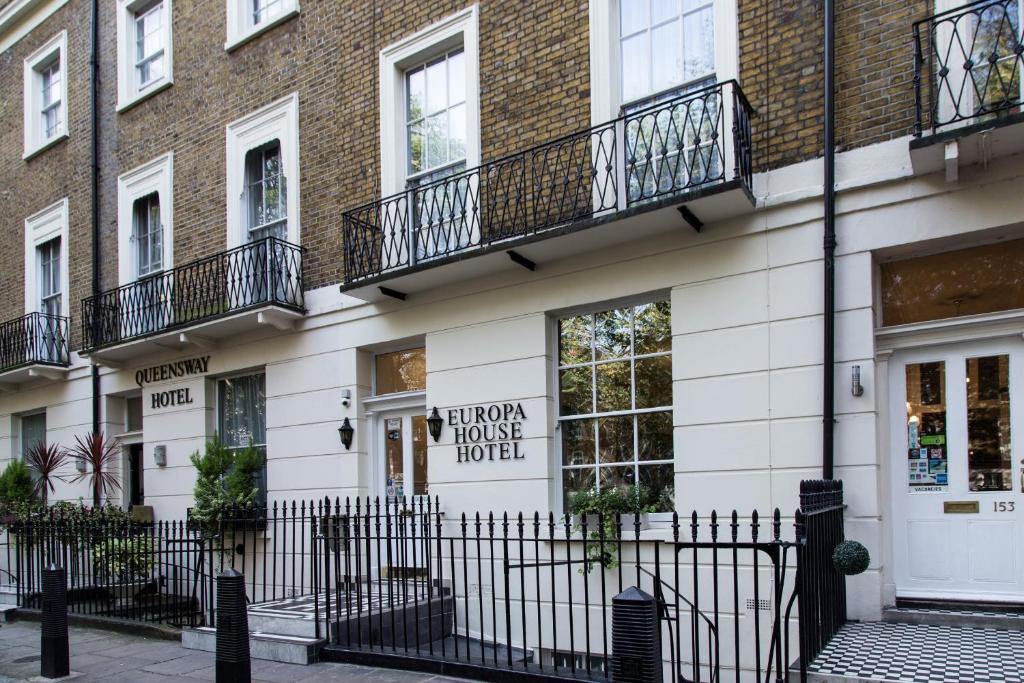
Photos of Europa House Hotel
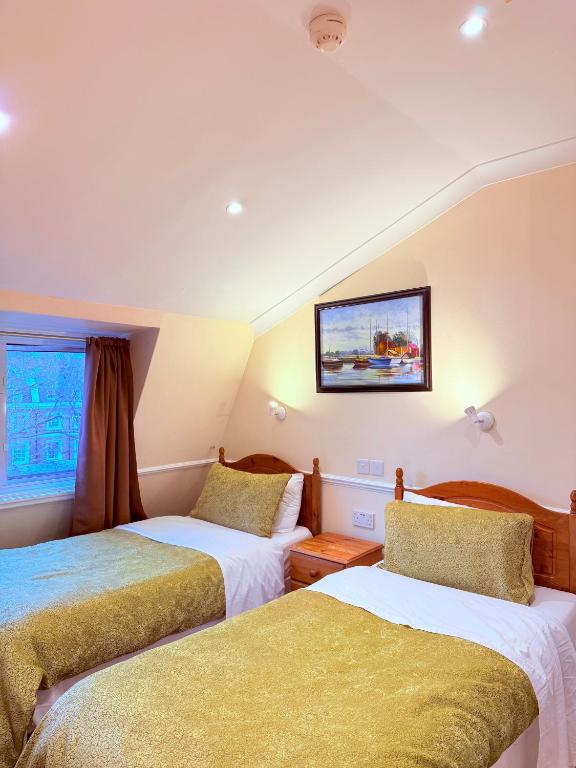
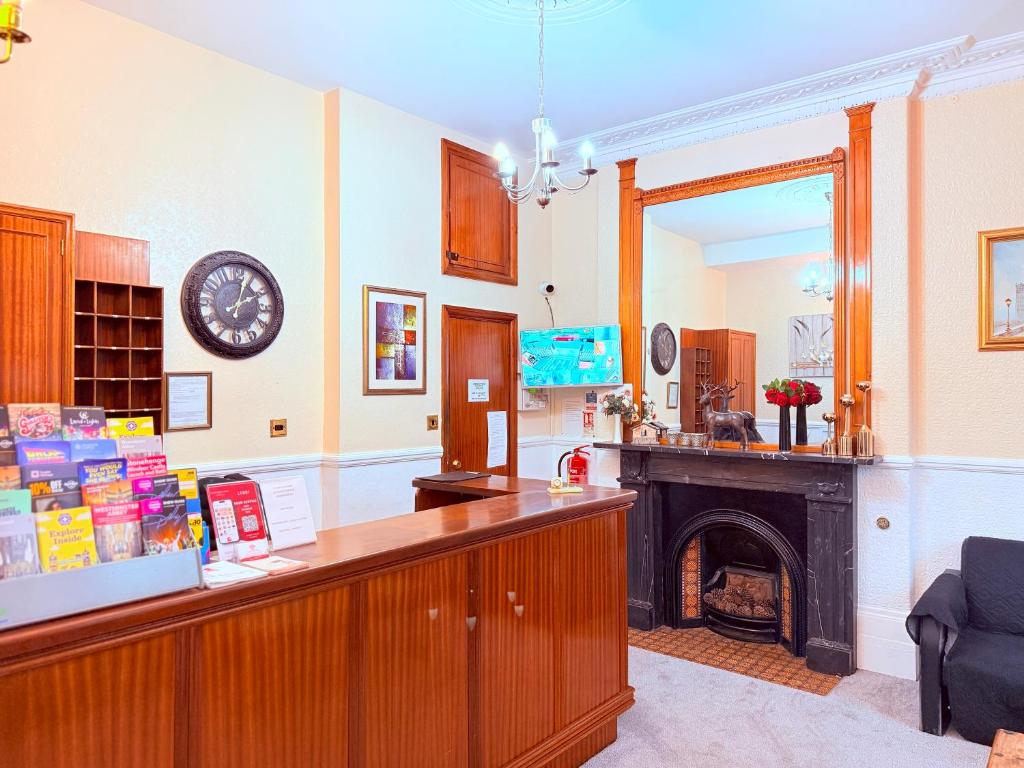
See more photos on Booking.com →
Affiliate disclosure: we may earn a commission if you book through this link.
Frequently Asked Questions
What is Borough Market and when should I visit?
Borough Market is a food market near London Bridge with around 100 traders selling everything from cheese and charcuterie to hot street food. It is open Tuesday to Saturday (Wednesday and Thursday 10am-5pm, Friday 10am-6pm, Saturday 9am-5pm) and closed Sunday and Monday. Most hot lunches cost £8-14.
How much is a typical pub meal in London?
Pub mains run £12-18 in central London, with Sunday roasts at £16-22. Gastropubs like The Cow in Westbourne Park or The Harwood Arms in Fulham sit at the higher end (£22-32). A pint of beer costs £6-7 in Zone 1 and £5-6 further out.
Where can I have a proper afternoon tea?
Classic afternoon tea at hotels like The Ritz, Claridge’s, and The Savoy costs £75-95 and books up 2-4 weeks ahead. Less formal options at The Wolseley (£45), Fortnum & Mason (£78), and independent tearooms run £40-75. Expect 3 courses plus scones with clotted cream and jam.
What are the best cheap eats in central London?
Rice boxes at Itsu (£7-9), curry at Dishoom (mains £12-16, book ahead), Chinatown dumplings at Dumplings Legend (£8-12), and supermarket meal deals at Tesco or Sainsbury’s (£3.90). Brick Lane bagels are open 24 hours at £1.80-6.
Is fish and chips a good choice in London?
Yes, and expect to pay £10-14 for a classic cod and chips at a sit-down shop. Top picks include The Golden Hind in Marylebone, Poppies in Soho and Spitalfields, and Kerbisher & Malt in Hammersmith. Add mushy peas for £2-3.
Which London restaurants hold Michelin stars?
London has over 70 Michelin-starred restaurants including Core by Clare Smyth, Ikoyi, Alex Dilling, and The Ledbury. Tasting menus start around £150 and climb past £300. Book 4-8 weeks ahead and watch for lunch menus at 30-40% less than dinner.
Where is the best area for restaurant choice?
Soho and Chinatown have hundreds of options within a 10-minute walk. Marylebone is calmer with strong mid-range dining (mains £18-28). Borough and Bermondsey are better for daytime food and independent coffee roasters.
Do I need to tip in London restaurants?
A 12.5% service charge is added automatically to most sit-down restaurants, so no extra tip is expected unless you want to add more. At pubs, cafes, and takeaways there is no tipping culture. Check your bill before paying as some places quietly include optional service.