

TLDR
London is a destination that draws visitors for its mix of culture, food, and local character. This guide breaks down every area you need to know: where to stay, where to eat, and which neighbourhoods suit which type of traveller.

Insider Tip
London is where Europa House Hotel sits. It’s a good base for exploring London, central enough to walk to the main sights, quiet enough to actually sleep at night.
Planning your stay? Check current rates at Europa House Hotel, a convenient base for exploring London.
London
This is the area around Europa House Hotel. Guests describe it as: “**özlem çam** | 4/5 | 4 months ago”
Where to Eat
London has a solid food scene. Ask at your hotel for current recommendations. Restaurants turn over quickly and the locals always know what’s new.
“Stayed near Paddington and used it as a base for 5 days. The Elizabeth Line got us across the city fast and the neighbourhoods each felt distinct, from the quiet garden squares in Bloomsbury to the market lanes in Borough.”
“Excellent location near Paddington station, clean rooms and a very friendly team. Easy access to Heathrow and the Tube.”
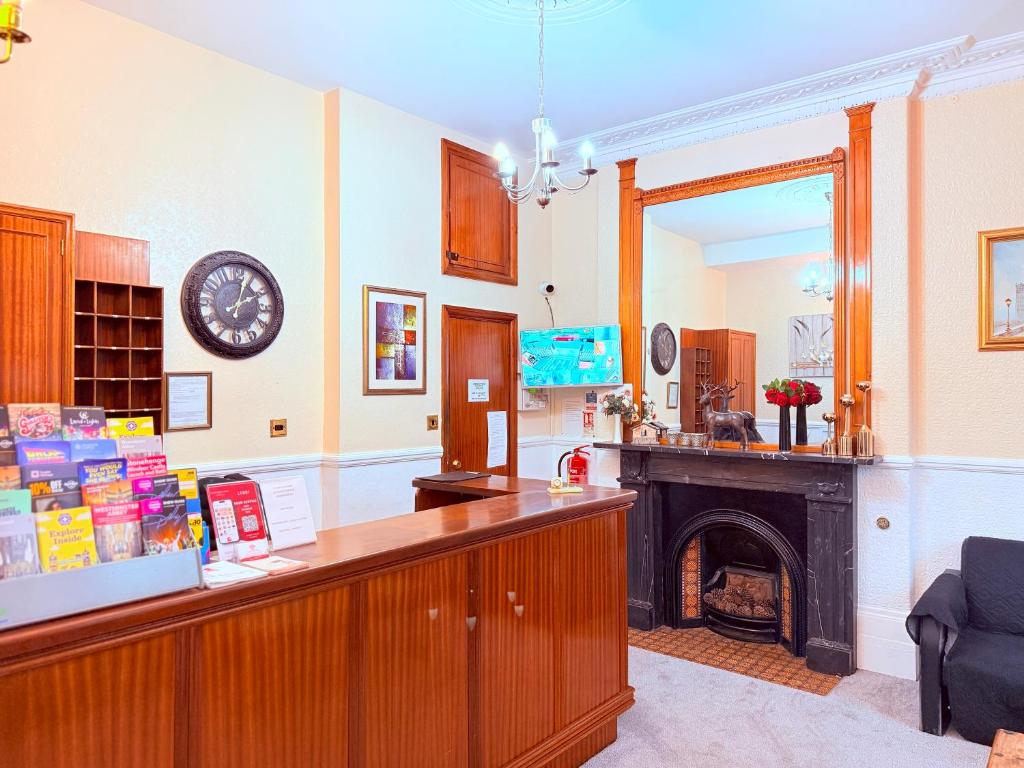
See What Europa House Hotel Looks Like

Check current prices at Europa House Hotel
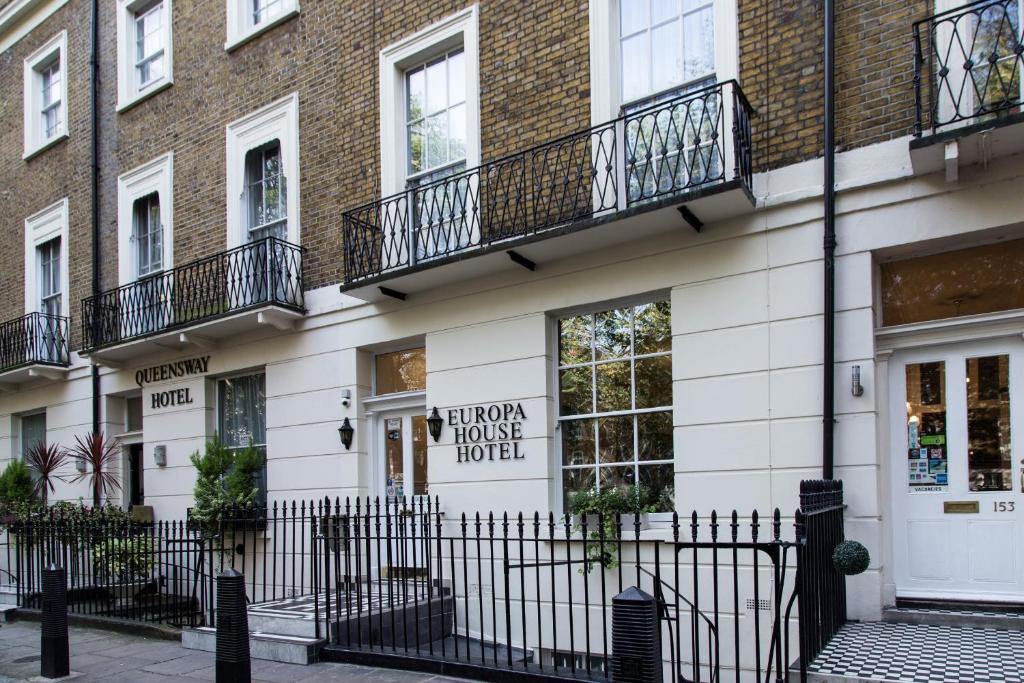
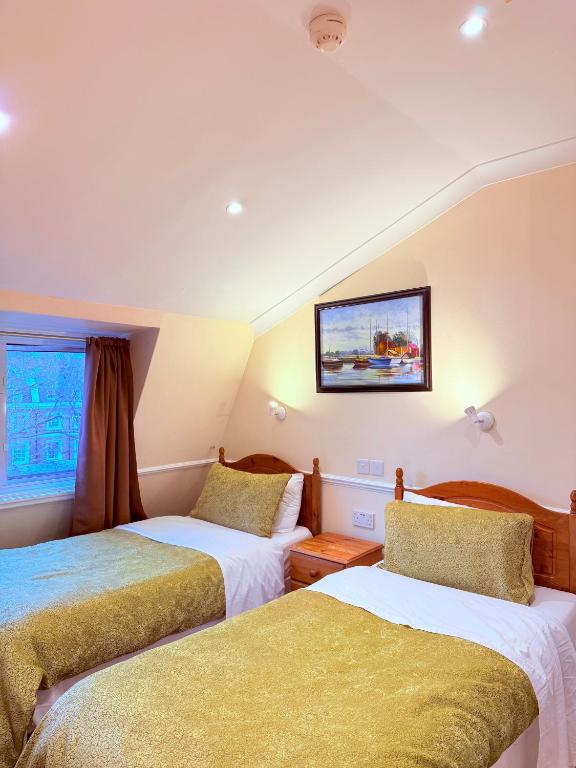
Europa House Hotel in London, a solid base for exploring everything on this list.
Check Available RoomsWe may earn a small commission if you book through this link. It doesn’t cost you anything extra.
Getting Around
Within London, a mix of walking and local transport covers most of what you’ll want to see.
Which Area Should You Choose?
If you want to be close to the main attractions, London is a strong pick. Europa House Hotel puts you within reach of the city centre without the noise of the busiest tourist strips.
Central London Broken Down by Postcode
Paddington and Tyburnia (W2) is where Europa House sits, and it has a specific character: residential stucco terraces from the 1830s, quiet at night, five minutes’ walk from Paddington station and ten to Hyde Park. Sussex Gardens itself runs a tree-lined strip of small hotels and cafés, with the Heathrow Express platform and the Elizabeth line both at the west end. It’s central without being central-central, which is the trade-off most visitors actually want. Ten minutes on the Bakerloo line drops you at Oxford Circus, fifteen at Piccadilly, twenty at Waterloo. For more on what’s around Sussex Gardens, the area stay guide has the practical details.
Soho and Covent Garden (W1 and WC2) are the theatre, restaurant and nightlife centres. Soho is dense, loud, and best for people who want to eat late and drink later. Covent Garden is more for shopping and pre-theatre dining, with the Piazza and Royal Opera House at its core. Staying here means you’re walking everywhere, but it also means road noise until about 2am and pub hours below your window. Mayfair (W1) next door is the quieter, posher version, with the art galleries, Bond Street shops and the Connaught and Claridge’s hotels setting the tone. It’s beautiful but pricey in every way, from hotel rates to a £7 flat white.
Kensington and South Kensington (SW7) are the museum district. The Natural History Museum, Science Museum and V&A cluster on Exhibition Road, with Hyde Park on the north edge and Chelsea to the south. It’s a genteel area, popular with families because of the museums and good for staying if you want leafy streets and afternoon walks but don’t mind a fifteen minute Tube ride into Soho or the City. Chelsea (SW3) runs from the King’s Road south to the river, still posh but with more independent shops, nursing home pubs and pockets of actual locals. Neither has the nightlife of Soho but both have proper Saturday-morning-brunch energy.
East, North and South: The Other Side of Zone 1
Shoreditch (E1 and EC2) is East London’s creative and nightlife centre, with the best street art in the city (Brick Lane, Redchurch Street, the walls around Old Street roundabout). It went from run-down to media-agency-heavy over about fifteen years, and now has the food market (Dishoom’s original site is here, Pizza East on Shoreditch High Street, Gloria for proper Italian). It’s a 25 minute Tube ride from Paddington on the Circle line to Liverpool Street, then a ten minute walk. Come for dinner and drinks, but most visitors wouldn’t base themselves here because daytime sightseeing means crossing town each morning. Camden (NW1) to the north has the market, the canal and the alt-rock history, 20 minutes on the Bakerloo line from Paddington via Oxford Circus to Camden Town.
South Bank and Bankside (SE1) is the riverside strip between the London Eye and Tower Bridge, home to the Tate Modern, Shakespeare’s Globe, Borough Market and the Shard. It’s busy with tourists most of the year but genuinely worth the crowds: the South Bank riverside walk from Westminster Bridge to Tower Bridge takes about an hour and passes most of the city’s icons. Greenwich (SE10) further east has the Royal Observatory, the Cutty Sark and the Prime Meridian, reachable by DLR or river boat from Tower Pier (the boat is slower but vastly more pleasant, about 45 minutes from central piers).
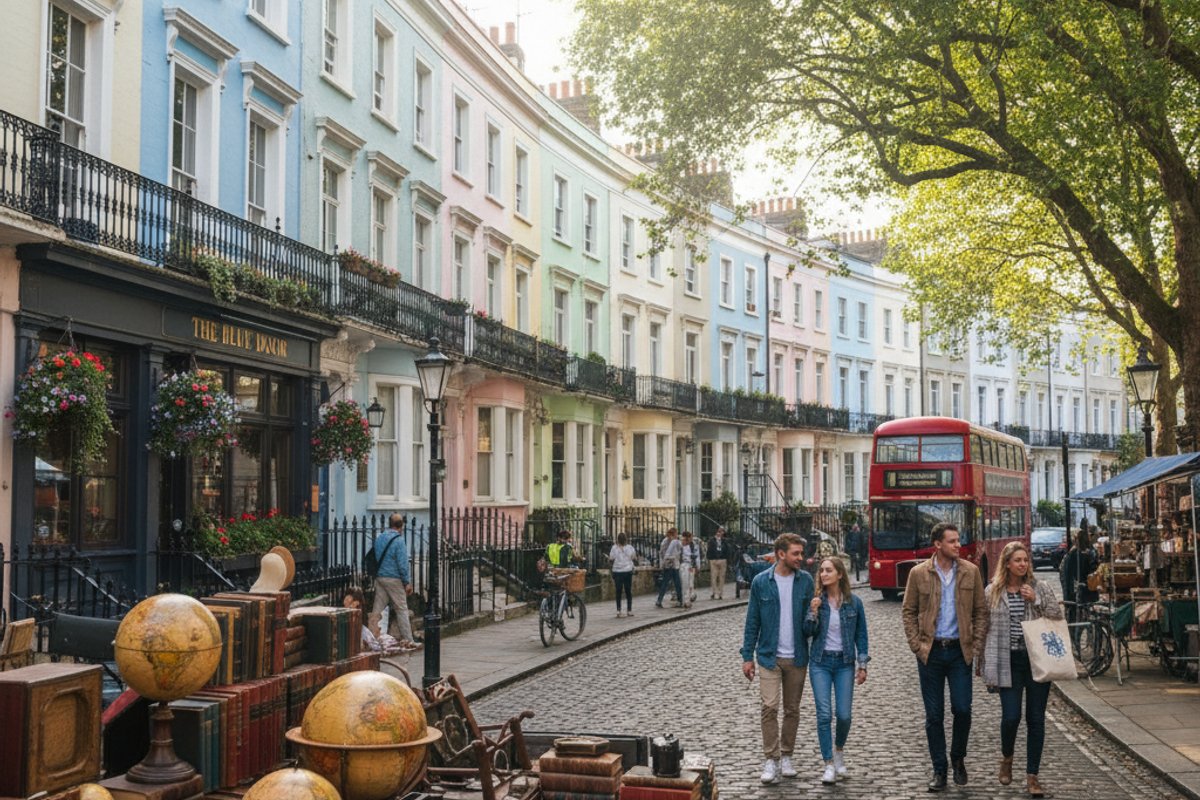
Notting Hill (W11) is the villagey option, with the Portobello Road market (antiques Saturday, general Monday to Friday), pastel terraces and the Electric Cinema on Portobello. It’s a fifteen minute walk from Europa House going through Bayswater, or two stops west on the Hammersmith & City from Paddington. Worth a half day wander, especially on a Saturday morning for the market, not necessarily worth basing yourself in unless you really love the area. For more on choosing the right postcode for your trip style, the stay guide compares areas side by side by budget and walking distance to big sights.
How Neighbourhoods Connect: A Practical Map
Zone 1 is the central fare zone, and almost every neighbourhood a visitor cares about sits inside it. Zone 2 picks up the slightly outer areas (Camden, Notting Hill, Shoreditch depending on which station you use). Contactless daily capping means you can ride unlimited for £8.50 to £9 a day within Zones 1-2, so don’t stress about individual rides once you’ve tapped in a few times. The Tube map distorts distances severely, especially in central London, where stations that look far apart on the map are often closer to walk than to ride. Leicester Square to Covent Garden is famously the shortest Tube hop in London at 260 metres, a four minute walk above ground.
From Paddington you can get across London without much fuss. West to the City: Circle line to Tower Hill (25 minutes direct). Southeast to Waterloo or the South Bank: Bakerloo line to Waterloo (12 minutes) or Circle to Westminster (15 minutes). North to Camden or King’s Cross: Bakerloo to Oxford Circus then Victoria line (total around 20 minutes). The Elizabeth line is the game-changer of the last few years, linking Paddington directly to Bond Street, Tottenham Court Road, Farringdon, Liverpool Street and Canary Wharf with trains every three to five minutes. For live service updates TfL is the authoritative source, much better than Google Maps for unplanned route changes.
Walking between central neighbourhoods is often the most pleasant option. Paddington to Marble Arch: fifteen minutes. Marble Arch to Oxford Circus: ten minutes along Oxford Street or fifteen through Mayfair. Covent Garden to Soho: five minutes. Westminster to South Bank via Westminster Bridge: ten minutes. If you’re planning a day out, clustering the neighbourhoods into a single district (for example Westminster plus St James’s plus Mayfair as one day, South Bank plus Borough Market plus Bankside as another) saves you transit time and lets you actually walk the city. For specific things to do grouped by area, there’s a separate guide that breaks it down attraction by attraction.
Which Neighbourhood Fits Which Kind of Visitor
Families with children tend to do best in Paddington, Kensington or Bayswater. These areas are quieter at night, have parks within walking distance (Hyde Park, Kensington Gardens), and sit close to the museum cluster on Exhibition Road. The walk from Sussex Gardens across Hyde Park to South Kensington takes about 25 minutes through Kensington Gardens, which makes a day at the Natural History Museum or Science Museum a proper outing rather than a Tube-and-rush affair. Soho and Covent Garden are doable with older kids who can handle the noise, but small children in pushchairs will find the pavement crowds exhausting by mid-afternoon.
First-time visitors trying to cover the icons (Buckingham Palace, Westminster, Tower of London, British Museum) want a central base with good Tube links to all four. Paddington scores well here because the Bakerloo gets you to Oxford Circus and Waterloo, Circle gets you to Westminster and Tower Hill, Elizabeth gets you to Bond Street and Liverpool Street. Westminster or Covent Garden put you closer on foot but at higher prices and noisier evenings. Kensington is quieter but slightly further from Westminster and the East End. For the detailed comparison of what each area offers for different traveller types, the stay guide has a side-by-side.
Repeat visitors and people who want the less-obvious London should consider Marylebone, Clerkenwell or Bermondsey. Marylebone (W1) is the quieter Mayfair: gorgeous streets, the Wallace Collection (free, small, excellent), the Marylebone High Street village atmosphere. Clerkenwell (EC1) has the old London Charterhouse, St John restaurant, and the Exmouth Market food strip. Bermondsey (SE1) runs east of London Bridge along Tooley Street, with Maltby Street Market on Saturdays, the Fashion and Textile Museum, and views of Tower Bridge from the south bank. None of these have the iconic sights but all of them have better food and fewer tourists, which matters more on a second or third visit. For information on safety across different neighbourhoods and what to watch for, there’s a separate piece.
“**Linh Nguyễn Cao Thùy** | 5/5 | 2 months ago”
Guest, verified guest
You might also find these useful: Best Day Trips from London, Best Restaurants in London: Where to Eat, Best Time to Visit London: Month by Month Guide.
Photos of Europa House Hotel
See more photos on Booking.com →
Affiliate disclosure: we may earn a commission if you book through this link.
Frequently Asked Questions
Which London neighbourhood is best for first-time visitors?
Westminster and Covent Garden put you within walking distance of Big Ben, Buckingham Palace, and the West End theatres. Paddington and Marylebone are quieter with fast Tube links (Bakerloo, District, Circle, Elizabeth Line). Expect to pay £130-220 per night for a mid-range hotel in these central zones.
What makes Paddington a good base?
Paddington has the Heathrow Express (15 minutes, £25) and Elizabeth Line (25 minutes, £12.80) straight to the airport, plus direct trains to Oxford and Windsor. Sussex Gardens, where Europa House Hotel sits, is a quiet tree-lined street 5 minutes from the station. Hyde Park is a 10-minute walk south.
Is Shoreditch worth staying in?
Shoreditch suits travellers who want independent restaurants, street art, and late-night bars. It is a 15-20 minute Tube ride from the main sights via Old Street or Liverpool Street (Central, Elizabeth Line). Boutique hotel rates run £150-280 per night midweek.
What is Notting Hill like for tourists?
Notting Hill has pastel terraced houses, Portobello Road Market (Fridays and Saturdays), and easy access to Kensington Gardens. The Central and Circle lines connect it to the West End in around 15 minutes. It is residential, so evenings are quieter than Soho or Covent Garden.
Which neighbourhood has the best restaurants?
Soho and Chinatown pack hundreds of options into a few blocks, from £12 ramen to £80 tasting menus. Borough Market in Southwark is the pick for daytime food browsing (closed Sundays). Marylebone and Fitzrovia offer quieter sit-down dining with mains around £18-28.
Where should families stay in London?
South Kensington is near the Natural History, Science, and V&A Museums, all free and a 5-minute walk apart. Bloomsbury puts you next to the British Museum and Russell Square gardens. Both areas have family-friendly hotels in the £150-250 range and good Tube links.
Is Camden good for a short stay?
Camden suits younger travellers and music fans, with the market open daily 10am-6pm and live venues like the Roundhouse and KOKO nearby. It is on the Northern Line, 15 minutes to King’s Cross. The area is less polished than West London but has plenty of character.
How do I pick between Zone 1 and Zone 2 accommodation?
Zone 1 means you can walk to most sights and saves on transit time, but hotel rates run 20-40% higher. Zone 2 areas like Hammersmith, Islington, and Bethnal Green are 10-20 minutes by Tube with cheaper rooms (£90-160). Your daily Tube cap in Zones 1-2 is £8.50-9 either way.