TLDR
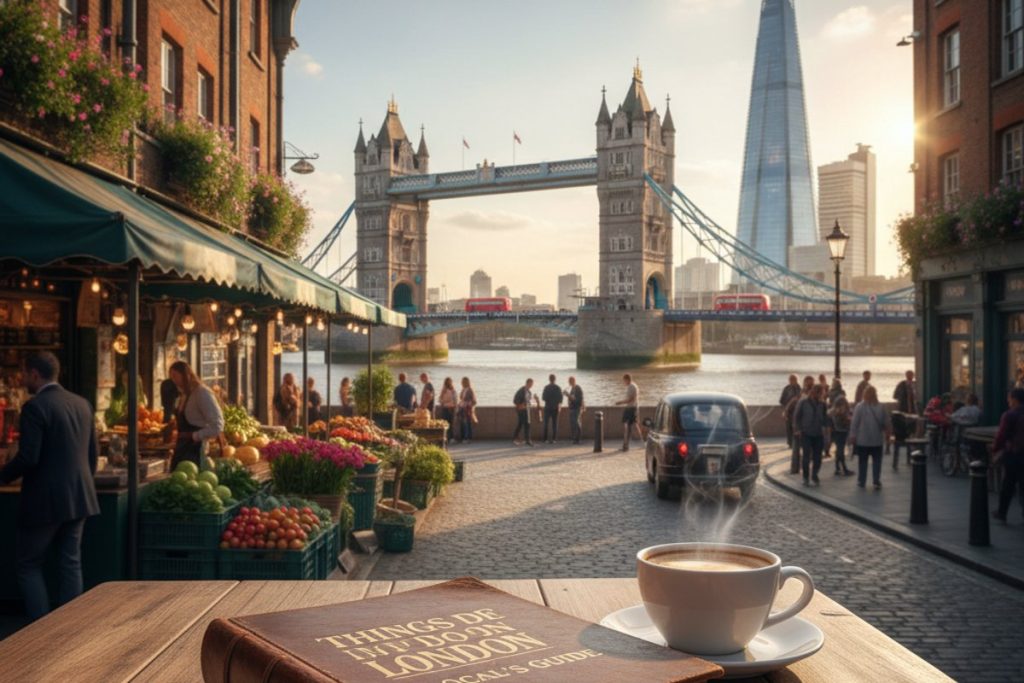
London has more to offer than most visitors expect. From cultural sights to local markets, there’s enough to fill several days. This guide covers the best things to do, with distances from Europa House Hotel and practical tips.

Insider Tip
Don’t try to cram everything into one day. Pick 2-3 things, leave time for wandering, and you’ll enjoy London much more than rushing through a checklist.
Planning your stay? Check current rates at Europa House Hotel, a convenient base for exploring London.
Explore the Neighbourhood
London rewards aimless walking. Wander the streets, duck into local shops, and stop at whatever café looks busiest. Sometimes the best travel experiences aren’t on any list.
Free Things to Do
Walking around London costs nothing and is one of the best ways to experience London. Markets, parks, and street life are all free. Many museums have free entry days, check current schedules.
The Big Sights Worth Paying For
Some things in London charge admission, and most of them earn it. The Tower of London sits at Tower Hill (District and Circle lines) and costs about £33 for an adult advance ticket, which gets you the Crown Jewels, the Beefeater tour, and a decent three to four hours of history. Book online through the Historic Royal Palaces site rather than queuing on arrival, because the walk-up queue in July can eat an hour before you even cross the moat. From Paddington it’s a fifteen minute Tube ride on the Circle line, no changes.
Westminster Abbey at £27 and St Paul’s at £21 are the two big churches, and they’re genuinely different in feel. The Abbey is where the monarchs are crowned and buried, so it rewards a slow wander through Poets’ Corner and the coronation chair. St Paul’s is the one with the dome, and if your knees hold up, the climb to the Golden Gallery gives you the best free-ish view in central London. Buckingham Palace State Rooms only open July through September, tickets £30, Green Park tube, and the guided route takes around two hours if you use the audio guide.
If you’re picking two paid attractions, I’d go Tower of London plus either the Abbey or St Paul’s, depending on whether you prefer royalty or architecture. Skip the Shard observation deck (£32 and often cloudy) in favour of the Sky Garden at 20 Fenchurch Street, which is free with advance booking and has the same London skyline view. For more on ticket combinations and timing, the London on a budget guide breaks down which passes actually save money and which ones don’t.
Markets, Parks and Low-Key London
Borough Market at London Bridge is the big-name food market and it’s earned that reputation, but go on a Thursday morning rather than a Saturday afternoon if you want to actually taste things without queuing. Brick Lane in E1 runs a Sunday market that’s more chaotic and cheaper, with vintage clothes, curry houses, and a bagel shop (Beigel Bake) that’s been open nearly 24 hours a day for decades. Columbia Road flower market on a Sunday morning is worth the Overground trip to Hoxton even if you don’t buy anything, just for the shout of the sellers.
Hyde Park is ten minutes on foot from Sussex Gardens, and it connects to Kensington Gardens, so you can walk from the Italian Gardens near Lancaster Gate all the way down to the Serpentine and out at Hyde Park Corner in about forty minutes. Regent’s Park is the other big central one, less chaotic than Hyde, with the rose gardens in Queen Mary’s Gardens blooming properly from mid-June. Primrose Hill is the small climb at the north end of Regent’s Park and gives you a free panorama of the City skyline. For self-guided walking routes that string these parks together, there are some good loops that skip the tourist-heavy bits.
The museums on Exhibition Road (Natural History, V&A, Science Museum) are all free and all within a three minute walk of South Kensington tube, which is two stops from Paddington on the Circle line. You could do all three in a day but you shouldn’t. Pick one, give it three hours, grab lunch at the V&A café (their courtyard is one of the best spots to sit in South Ken), then come back another day. The British Museum is also free, sits at Tottenham Court Road, and the Great Court with the glass roof is worth a look even if you only have an hour before dinner.
Getting Around Without Wasting Time
The Tube is how you cover distance. Contactless or Oyster, tap in tap out, you’ll pay £2.80 to £2.90 for a Zone 1 peak single and the daily cap tops out at £8.50 to £9 for Zones 1-2. Don’t buy a Travelcard unless someone tells you to, contactless capping is almost always cheaper. Paddington has five lines running through it (Bakerloo, Circle, District, Hammersmith & City, and the Elizabeth line) which means from Sussex Gardens you can reach almost any corner of central London without changing trains. For live status and planner tools, Transport for London is the official source and their app is genuinely better than Google Maps for Tube routing.
Buses are £1.75 flat fare, cap £5.25 a day, and they’re slower than the Tube but better if you want to see the city above ground. Route 15 (Paddington to Tower Hill) runs past Oxford Street, Trafalgar Square, Fleet Street and St Paul’s, which is essentially a free sightseeing tour if you sit on the top deck. Route 23 runs through Paddington to Liverpool Street via Oxford Circus. The Night Tube runs Friday and Saturday on five lines (Victoria, Central, Jubilee, Northern, Piccadilly) which means coming back from Soho at 2am is actually workable.
Walking is underrated in central London. Paddington to Marble Arch is fifteen minutes on foot through Connaught Village, which is quieter than cutting down Edgware Road and has better coffee. Marble Arch to Oxford Circus is another fifteen minutes along Oxford Street if you can handle the crowds, or ten minutes cutting through Mayfair. If you want the quick version of what to see and where to eat by area, the neighborhood guide breaks it down by postcode. Black cabs run everywhere and charge roughly £10 to £15 for most central journeys, Uber is usually two thirds the price, and both are quicker than the Tube after about 10pm when service thins out.
Evening London: Theatre, Pubs, and What Locals Actually Do
The West End is London’s theatre district, and it’s still the best night out in the city if you pick the right show. Leicester Square’s TKTS booth sells same-day discounted tickets, usually 30 to 50 percent off, and the queue moves fast before 1pm. Long runners like Les Misérables at the Sondheim and The Lion King at the Lyceum are safe picks for families, while the newer plays at the Noël Coward or the Harold Pinter tend to be better if you want something sharper. Most shows run about two and a half hours with an interval, curtain up at 7.30pm, which gives you time for a pre-theatre supper in Soho or Covent Garden beforehand.
Pubs are where Londoners actually spend their evenings, and the good ones are usually a street or two back from the main drags. Near Paddington, try the Victoria on Strathearn Place (Grade II listed, proper old-school interior) or the Prince Alfred in Little Venice for the preserved Victorian snug bar. In Covent Garden, the Lamb & Flag on Rose Street has been pouring pints since 1772 and feels like it. A pint costs around £6 to £7 in central London, small plates and mains £12 to £18, and most kitchens stop serving food around 9 or 9.30pm even if the bar stays open. For more on where to eat in the evenings, the restaurant guide has a proper list by neighbourhood.
If you want the view-with-a-drink option, Duck & Waffle on the 40th floor of Heron Tower is open 24 hours and takes walk-ins after 11pm when the dinner rush clears. Frank’s Café on top of a Peckham car park (summer only) is the cool-kid version with half the price and twice the character. For something quieter, Regent Street has a handful of hotel bars (the American Bar at the Stafford, the Connaught Bar in Mayfair) where you can have a proper conversation and a £20 martini. The Time Out London listings are the local bible for what’s actually on in a given week.
You might also find these useful: Best Day Trips from London, Best Restaurants in London: Where to Eat, Best Time to Visit London: Month by Month Guide.
“Walked from Westminster Bridge along the South Bank on a Sunday morning and the views across the Thames to Parliament were the best part of our trip. Street performers were already set up near the London Eye by 10am.”
“Comfortable room, helpful reception and handy for trains to Oxford and Bath from Paddington. Breakfast was good.”
See What Europa House Hotel Looks Like
Check current prices at Europa House Hotel
Europa House Hotel in London, a solid base for exploring everything on this list.
Check Available RoomsWe may earn a small commission if you book through this link. It doesn’t cost you anything extra.


Photos of Europa House Hotel


See more photos on Booking.com →
Affiliate disclosure: we may earn a commission if you book through this link.
Frequently Asked Questions
What are the must-do free attractions in central London?
The British Museum, Tate Modern, National Gallery, and Natural History Museum are all free to enter. You can also walk through Hyde Park, watch the Changing of the Guard at Buckingham Palace at 11am, and stroll the South Bank for river views. Budget about half a day for each major museum if you want more than a quick look.
How do I get around central London efficiently?
The Tube is the fastest option for longer distances, with pay-as-you-go fares of £2.80 to £2.90 per journey and a daily cap of £8.50 to £9 in Zones 1-2. For short hops between Westminster, Covent Garden, and Soho, walking is often quicker than waiting for a train. Buses cost £1.75 per ride with a one-hour transfer window, and the Hopper fare means a second bus within 60 minutes is free.
Is the London Pass worth buying?
It makes sense if you plan to visit 3 or more paid attractions per day, such as the Tower of London (£38 gate), Westminster Abbey (£29), and a Thames cruise. For travellers focused on free museums and walking, skip it. A 2-day pass costs around £109 adult, so run the maths on your specific itinerary first.
When does the Changing of the Guard happen?
The ceremony takes place at Buckingham Palace at 11am, daily in summer and on alternate days in winter. It is free to watch but crowds gather from 10am, so arrive by 10:30 for a decent view of the forecourt. Nearest Tube stations are Green Park and St James’s Park, both a 5-minute walk away.
What can I see along the Thames in one day?
Start at Westminster Bridge for views of Big Ben, walk the South Bank past the London Eye, Royal Festival Hall, and Tate Modern, then cross the Millennium Bridge to St Paul’s. Continue east to Borough Market for lunch (£8-12) and finish at the Tower of London. The full route is about 5 miles and takes 5-6 hours with stops.
Are the Tower Bridge Exhibition and walkways worth it?
The glass-floor walkways 42 metres above the Thames are a fun stop for around £13.40 adult. It takes about an hour including the Victorian engine rooms. Combine it with the Tower of London next door to save time on transit.
What neighbourhoods should first-time visitors explore on foot?
Covent Garden for street performers and the piazza, Soho for independent shops and restaurants, and South Kensington for the big museums. Add Notting Hill for pastel houses and Portobello Road market on Fridays and Saturdays. Each area rewards 2-3 hours of slow walking.
How early should I book tickets for popular attractions?
Book the Tower of London, London Eye, and Westminster Abbey at least a week ahead in peak season (June to August) to secure your preferred time slot. Advance Tower tickets save around £4.40 versus the gate price. The British Museum and National Gallery are free and do not require booking for general entry.
